
Exploring the realm of Best Income Funds for Low Risk, this introduction sets the stage for a deep dive into investment options that offer stability and consistent returns.
From understanding income funds to exploring index funds and inflation hedges, this overview will shed light on how investors can navigate the financial landscape with confidence.
Income Funds
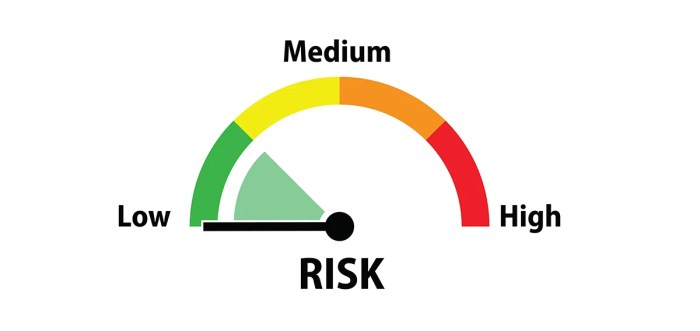
Income funds are investment vehicles that focus on generating regular income for investors through dividends, interest payments, and other sources of income. These funds typically invest in a portfolio of fixed income securities such as bonds, preferred stocks, and other income-producing assets. Income funds are known for their relatively lower risk compared to other types of investment funds, making them popular among conservative investors looking for steady returns.
Popular Low-Risk Income Funds
- Vanguard High Dividend Yield Index Fund
- Fidelity Strategic Income Fund
- PIMCO Income Fund
Income funds like the ones mentioned above are known for their ability to provide investors with a steady stream of income while minimizing the risk of capital loss. These funds typically focus on high-quality, investment-grade securities and employ a diversified approach to minimize risk.
Investment Strategies of Income Funds
Income funds employ various strategies to maintain low risk while generating income for investors. Some common strategies include:
- Investing in high-quality, investment-grade securities to minimize credit risk.
- Diversifying the portfolio across different asset classes and sectors to reduce concentration risk.
- Regularly monitoring and adjusting the portfolio to take advantage of changing market conditions.
- Utilizing a combination of active and passive management strategies to achieve the fund’s income objectives.
Income funds aim to provide investors with a reliable source of income while preserving capital and minimizing risk, making them a suitable choice for those seeking steady returns with lower volatility.
Index Funds
Index funds are a type of mutual fund or exchange-traded fund (ETF) that aims to track the performance of a specific market index, such as the S&P 500 or the Dow Jones Industrial Average. Unlike actively managed funds, which rely on fund managers to select individual securities in an attempt to outperform the market, index funds passively invest in the same securities as the index they are tracking.
Differentiation between Income Funds and Index Funds
Index funds differ from income funds in terms of their investment objectives and strategies. While income funds focus on generating regular income through dividends and interest payments, index funds aim to replicate the performance of a specific market index. This distinction means that index funds may not always prioritize high dividend yields but instead seek to match the overall market returns.
Utilizing Index Funds for Low-Risk Options
Investors seeking low-risk options with potential for steady returns can consider index funds as they offer broad market exposure and diversification. By investing in a wide range of securities that make up a market index, investors can reduce the risk of individual stock selection and benefit from the overall performance of the market. Index funds are known for their low fees and passive management style, making them an attractive option for those looking for a hands-off approach to investing.
Role of Index Funds in a Diversified Portfolio
Index funds play a crucial role in a diversified investment portfolio by providing exposure to different sectors and asset classes. By including index funds that track various market indices, investors can spread their risk across multiple companies and industries. Additionally, index funds can act as a hedge against market volatility, as they offer broad market exposure that can help cushion the impact of fluctuations in individual stocks or sectors.
Overall, incorporating index funds in a diversified portfolio can help investors achieve long-term growth while minimizing risk.
Inflation Hedge
Income funds can serve as a valuable hedge against inflation for investors looking to preserve the real value of their investments over time. Inflation erodes the purchasing power of money, making it crucial to consider this factor when choosing investment vehicles for long-term goals.When inflation rates rise, traditional fixed-income investments may struggle to keep pace with the increasing costs of goods and services.
Income funds, on the other hand, can provide a level of protection by offering a diversified portfolio of income-generating assets that have the potential to adjust returns in response to inflationary pressures.
Examples of Inflation-Protected Income Funds
- Vanguard Inflation-Protected Securities Fund: This fund invests in U.S. Treasury Inflation-Protected Securities (TIPS), which are specifically designed to provide a hedge against inflation.
- PIMCO Real Return Fund: Managed by investment firm PIMCO, this fund focuses on inflation-protected securities and aims to outperform inflation over the long term.
- Schwab U.S. TIPS ETF: An exchange-traded fund (ETF) that tracks the performance of the Bloomberg Barclays U.S. Treasury Inflation-Protected Securities (TIPS) Index, providing investors with exposure to inflation-protected bonds.
Considerations for Selecting Income Funds
It is essential for investors to carefully consider inflation when selecting income funds for their long-term investment goals. Factors to keep in mind include the fund’s historical performance in relation to inflation, the types of assets held within the fund, and the fund manager’s strategy for managing inflation risk. By choosing income funds that are specifically designed to offer protection against inflationary pressures, investors can better position themselves to preserve the real value of their investments over time.
Insurance Premiums
In today’s financial landscape, managing insurance costs is a crucial aspect of maintaining financial stability. Income funds can play a significant role in ensuring individuals have the necessary funds to cover insurance premiums while also providing a source of stable returns.
Strategic Use of Income Funds
Income funds can be strategically utilized to allocate a portion of one’s investment portfolio towards covering insurance premiums. By investing in income funds that offer regular payouts, individuals can create a dedicated stream of income to meet their insurance obligations. This approach helps in ensuring that insurance costs are consistently covered without disrupting one’s overall financial plan.
- Income funds provide a reliable source of income: Investing in income funds can help individuals generate a steady stream of income that can be earmarked specifically for insurance premiums. This consistent cash flow ensures that insurance costs are met on time, reducing the risk of policy lapses.
- Effective management of insurance-related expenses: By incorporating income funds into their investment strategy, individuals can effectively manage and budget for insurance premiums. This proactive approach helps in avoiding financial strain when insurance payments are due.
- Diversification and risk management: Income funds offer diversification benefits by investing in a range of fixed-income securities. This diversification helps in spreading risk and minimizing the impact of market fluctuations on the funds earmarked for insurance premiums.
In conclusion, Best Income Funds for Low Risk provide a secure avenue for investors to grow their wealth steadily while mitigating potential risks. By carefully selecting the right funds, individuals can safeguard their financial future with ease.
Question & Answer Hub
What are income funds exactly?
Income funds are investment vehicles that primarily focus on generating regular income for investors through various fixed-income securities like bonds and dividend-paying stocks.
How do income funds differ from index funds?
Income funds prioritize generating income through interest payments and dividends, while index funds aim to replicate the performance of a specific market index. The key difference lies in their investment objectives.
Can income funds act as a hedge against inflation?
Yes, income funds can serve as a hedge against inflation by investing in assets that tend to perform well during inflationary periods, thus preserving the real value of investments.
What role do income funds play in managing insurance premiums?
Income funds can provide a stable source of returns that individuals can use to cover insurance costs, ensuring they have the necessary funds to meet their premium obligations.


