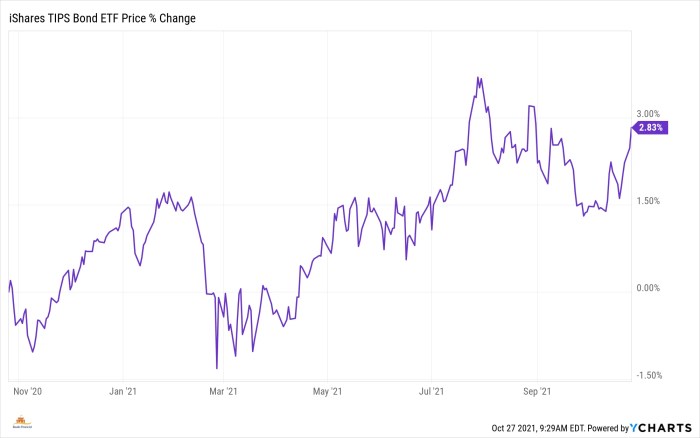
Introducing Inflation Hedge Bonds, these financial instruments offer a secure shield against the erosive effects of inflation, ensuring stability and growth in investment portfolios. As we delve deeper into the realm of finance, discover the art of protecting wealth in a dynamic economic landscape.
Explore the intricacies of inflation hedging, unraveling the mysteries of bonds as a reliable fortress against the rising tide of inflation.
Overview of Inflation Hedge Bonds
Inflation hedge bonds are fixed-income securities specifically designed to protect investors from the erosion of purchasing power caused by inflation. These bonds typically offer returns that adjust based on changes in inflation rates, ensuring that investors can maintain the real value of their investment over time.One of the key mechanisms through which inflation hedge bonds work is by incorporating inflation-linked components into their interest payments or principal value.
This allows the bonds to provide a hedge against rising inflation, as the returns adjust accordingly to compensate for the decrease in purchasing power.Inflation hedging plays a crucial role in investment portfolios as it helps investors preserve the value of their assets in times of inflationary pressures. By including inflation hedge bonds in a diversified portfolio, investors can mitigate the negative impact of inflation on their overall investment returns.
Examples of Popular Inflation Hedge Bonds
- Treasury Inflation-Protected Securities (TIPS): TIPS are issued by the U.S. Treasury and provide investors with protection against inflation by adjusting the principal value of the bond based on changes in the Consumer Price Index (CPI).
- I-Bonds: These savings bonds issued by the U.S. Treasury also offer inflation protection by combining a fixed interest rate with an inflation rate component that adjusts every six months based on changes in the CPI.
- Inflation-Linked Corporate Bonds: Some corporations issue bonds with inflation-linked features that adjust the coupon payments or principal value based on changes in inflation rates, providing investors with a hedge against inflation.
Income Funds
Income funds are a type of mutual fund or exchange-traded fund (ETF) that primarily focuses on generating a steady stream of income for investors. These funds typically invest in fixed-income securities such as bonds, preferred stocks, and dividend-paying stocks.
Examples of Income Funds and Investment Strategies
Income funds can vary in terms of their investment strategies and the types of assets they hold. Some common examples of income funds include:
- High-Yield Bond Funds: These funds invest in lower-rated corporate bonds that offer higher yields but also come with higher risk.
- Dividend Growth Funds: These funds focus on investing in companies that have a history of increasing dividend payouts over time.
- Real Estate Income Funds: These funds invest in real estate investment trusts (REITs) or real estate companies that generate rental income.
Using Income Funds to Generate Steady Income
Income funds are popular among investors who are seeking a regular income stream while also benefiting from potential capital appreciation. By investing in income funds, investors can receive periodic dividends or interest payments, providing a reliable source of income. Additionally, income funds can help diversify a portfolio and reduce overall investment risk by spreading assets across different income-generating securities.
Index Funds
Index funds are a type of mutual fund or exchange-traded fund (ETF) that aims to track the performance of a specific market index, such as the S&P 500. These funds offer investors a way to diversify their investment portfolios by providing exposure to a broad range of securities within a particular market segment.
Comparison with Actively Managed Funds
- Performance: Index funds typically aim to replicate the performance of the underlying index, so they tend to perform in line with the market. Actively managed funds, on the other hand, rely on the expertise of fund managers to outperform the market, which may not always be successful.
- Fees: Index funds are passively managed, resulting in lower management fees compared to actively managed funds. This cost efficiency can lead to higher returns for investors over the long term.
Benefits of Investing in Index Funds
- Diversification: Index funds provide exposure to a wide range of securities, reducing the risk associated with individual stock picking.
- Low Costs: With lower management fees, index funds offer a cost-effective way to invest in the market and maximize returns.
- Consistent Performance: By tracking the performance of a market index, index funds offer consistent returns over time, ideal for long-term growth strategies.
Inflation Hedge Strategies
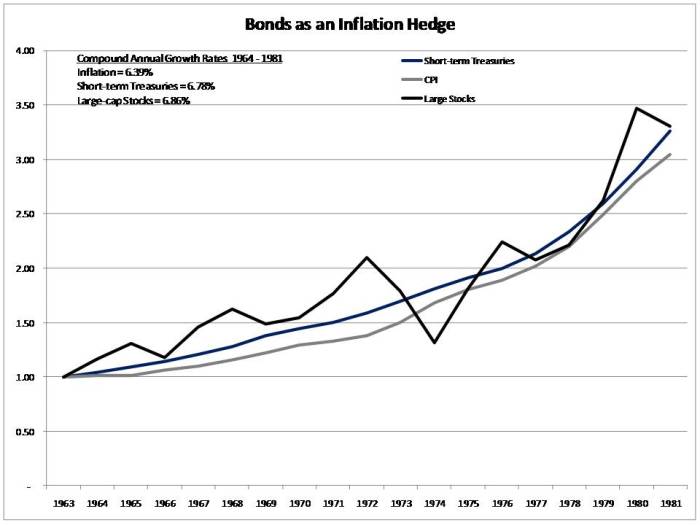
Investors have various strategies at their disposal to hedge against inflation. One effective method is through the use of inflation hedge bonds, which can provide protection and potential growth opportunities in times of rising prices. Bonds have historically shown resilience against inflation compared to other asset classes, making them a popular choice for investors looking to safeguard their portfolios.
Bond Duration and Inflation
One important factor to consider when using bonds as an inflation hedge is the duration of the bond. Bonds with longer durations are more sensitive to changes in interest rates and inflation, which can impact their prices. Investors can strategically select bonds with shorter durations to minimize the impact of inflation on their portfolios.
TIPS: Treasury Inflation-Protected Securities
Another popular strategy for inflation hedging is investing in Treasury Inflation-Protected Securities (TIPS). These bonds provide investors with protection against inflation by adjusting their principal value in line with changes in the Consumer Price Index (CPI). This ensures that investors receive a real rate of return that keeps pace with inflation.
Commodities and Real Assets
In addition to bonds, investors can also consider allocating a portion of their portfolios to commodities and real assets. These tangible assets have historically shown a positive correlation with inflation, providing a natural hedge against rising prices. By diversifying their portfolios with commodities and real assets, investors can further protect themselves from the erosive effects of inflation.
Diversification and Risk Management
Overall, the key to effective inflation hedging is diversification and risk management. By incorporating a mix of inflation hedge bonds, TIPS, commodities, and real assets into their portfolios, investors can create a well-rounded strategy that mitigates the impact of inflation on their investments. Regular portfolio reviews and adjustments can help investors stay ahead of inflation and protect the long-term value of their assets.
Insurance Premiums
Insurance premiums are the amount of money an individual or business pays to an insurance company in exchange for coverage against potential risks or losses. These premiums are typically paid on a regular basis, such as monthly or annually, to maintain the insurance policy.
Calculation of Insurance Premiums
Insurance premiums are calculated based on various factors, including the type of insurance, coverage amount, the risk profile of the insured individual or business, and the insurance company’s own expenses and profit margin. Insurance companies use complex algorithms and actuarial calculations to determine the appropriate premium for each policyholder.
- The type of insurance policy, such as auto, health, life, or property insurance, will impact the premium amount.
- The coverage amount or limits chosen by the insured will also play a role in determining the premium.
- The risk profile of the insured individual or business, including factors like age, health, driving record, or location, will influence the premium calculation.
- The insurance company’s expenses, such as administrative costs, claims processing, and profit margin, are factored into the premium amount.
Factors Influencing Insurance Premiums
Several factors can influence insurance premiums, including the insured individual’s or business’s risk profile, the type of coverage needed, market conditions, and regulatory changes. These factors can impact the affordability of insurance for individuals and businesses alike.
- Personal factors like age, health, occupation, and lifestyle choices can impact insurance premiums for individuals.
- Business factors like industry type, revenue, size, and location can affect insurance premiums for commercial policies.
- Market conditions, such as inflation, interest rates, and competition among insurance companies, can influence premium rates.
- Regulatory changes, including new laws or requirements in the insurance industry, may lead to adjustments in premium amounts.
Managing Insurance Premiums Effectively
To manage insurance premiums effectively and mitigate financial risks, individuals and businesses can take proactive steps to optimize their coverage, reduce risks, and explore cost-saving opportunities.
- Compare quotes from multiple insurance companies to find the best coverage at competitive rates.
- Bundle insurance policies with the same provider to qualify for discounts and reduce overall premiums.
- Review and update coverage limits regularly to ensure adequate protection without overpaying for unnecessary coverage.
- Implement risk management strategies to minimize potential losses and demonstrate a lower risk profile to insurers.
- Seek advice from insurance professionals or financial advisors to explore cost-effective insurance options tailored to individual needs.
In conclusion, Inflation Hedge Bonds stand as a beacon of stability in a sea of financial uncertainty, providing investors with a robust mechanism to safeguard their wealth and achieve long-term prosperity. Embrace the power of inflation hedging and fortify your financial future with these resilient bonds.
Answers to Common Questions
How do Inflation Hedge Bonds protect against inflation?
Inflation Hedge Bonds are specifically designed to counter the effects of inflation by adjusting their returns to maintain purchasing power over time.
What are some popular examples of Inflation Hedge Bonds?
Popular options include TIPS (Treasury Inflation-Protected Securities) and I-Bonds issued by the U.S. Treasury.
Can anyone invest in Inflation Hedge Bonds?
Yes, these bonds are available to individual investors as well as institutional investors looking to hedge against inflation risks.
Are Inflation Hedge Bonds a safe investment choice?
While no investment is entirely risk-free, Inflation Hedge Bonds are generally considered a safer option during periods of rising inflation.
How do Inflation Hedge Bonds differ from traditional bonds?
Inflation Hedge Bonds adjust their principal or interest payments based on inflation rates, unlike traditional bonds that have fixed returns.


