With Best Tax-Efficient Index Funds at the forefront, this paragraph opens a window to an amazing start and intrigue, inviting readers to embark on a storytelling journey filled with unexpected twists and insights. Exploring the realm of tax efficiency in index funds unveils a world of smart investing strategies and financial growth opportunities.
Delving into the nuances of tax-efficient index funds sheds light on the path to maximizing returns while minimizing tax burdens, making it a compelling choice for savvy investors looking to build wealth efficiently.
Introduction to Tax-Efficient Index Funds
Tax-efficient index funds are investment vehicles that aim to minimize taxes for investors by tracking a specific index, such as the S&P 500, and have lower turnover rates compared to actively managed funds.
Investing in tax-efficient index funds can offer several benefits, including lower capital gains distributions, reduced tax liabilities, and potentially higher after-tax returns for investors over the long term.
Examples of Tax-Efficient Index Funds
- Vanguard Total Stock Market Index Fund (VTSAX): This fund tracks the CRSP US Total Market Index and has a low expense ratio, making it a tax-efficient option for investors seeking broad market exposure.
- Schwab U.S. Broad Market ETF (SCHB): This exchange-traded fund (ETF) follows the Dow Jones U.S. Broad Stock Market Index and is known for its tax efficiency due to its passive management style and low turnover.
- iShares Core S&P 500 ETF (IVV): As an ETF that tracks the S&P 500 Index, IVV offers investors exposure to large-cap U.S. stocks with minimal tax implications, making it a tax-efficient choice for those looking for diversified equity exposure.
Characteristics of Best Tax-Efficient Index Funds
When it comes to choosing the best tax-efficient index funds, there are key features that set them apart from other investment options. Understanding these characteristics can help investors make informed decisions to maximize tax efficiency in their portfolio.
Identifying Key Features
Index funds are inherently tax-efficient due to their passive management style. They have lower turnover rates compared to actively managed funds, resulting in fewer capital gains distributions. This reduces the tax liability for investors, making index funds an attractive option for those looking to minimize taxes.
Comparing Tax Implications
- Index funds typically incur lower capital gains taxes compared to actively managed funds, as they aim to replicate the performance of a specific market index rather than actively buying and selling securities.
- Compared to individual stocks, index funds offer diversification which can help spread out tax liabilities and reduce the impact of capital gains taxes on the overall portfolio.
- When compared to ETFs, index funds tend to be more tax-efficient due to differences in structure and trading mechanisms.
Maximizing Tax Efficiency
Investors can employ certain strategies to further enhance the tax efficiency of their index fund investments:
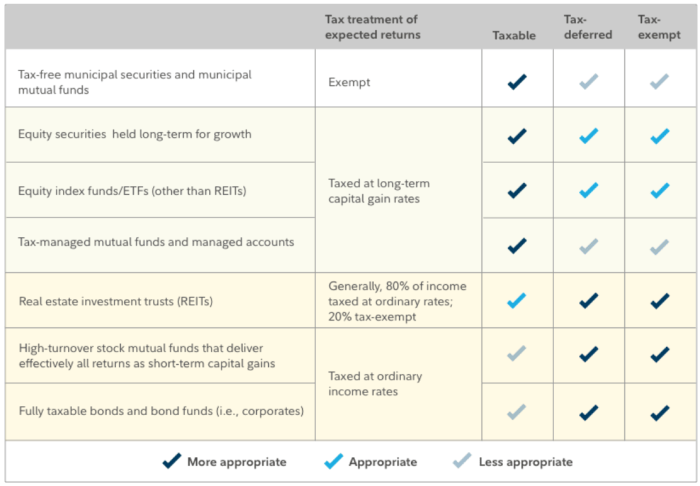
- Consider holding index funds in tax-advantaged accounts such as IRAs or 401(k)s to defer taxes on capital gains and dividends.
- Use tax-loss harvesting to offset capital gains in taxable accounts by selling losing positions and reinvesting in similar index funds.
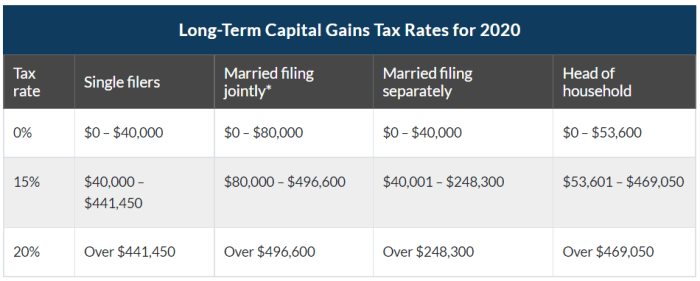
- Avoid frequent trading in index funds to minimize short-term capital gains taxes, as these are typically taxed at a higher rate than long-term gains.
Income Funds vs. Index Funds
When it comes to investing, it’s essential to understand the differences between income funds and index funds, especially in terms of how they generate returns and their tax implications.
Differentiation
Income funds are mutual funds or ETFs that primarily focus on generating income for investors through dividends, interest payments, and capital gains. These funds typically invest in bonds, dividend-paying stocks, or real estate investment trusts (REITs) to provide a steady stream of income to investors.
How Income Funds Generate Returns
- Income funds generate returns through regular distributions of dividends, interest, and capital gains from the underlying assets in the fund portfolio.
- These funds prioritize income generation over capital appreciation, making them suitable for investors seeking regular income streams.
- Investors in income funds can benefit from higher yields compared to index funds, but they may also carry higher risk due to the nature of the assets held.
Tax Implications
- Income generated from income funds is typically taxed at the investor’s ordinary income tax rate, which can be higher than the tax rate for long-term capital gains.
- Investors in income funds may face higher tax liabilities, especially if the fund generates a significant amount of income that is subject to regular income tax rates.
- On the other hand, index funds, which aim to replicate the performance of a specific market index, may generate lower taxable income as they focus on capital appreciation rather than income generation.
- Investors in index funds may benefit from lower tax rates on capital gains, especially if they hold the investment for the long term.
Inflation Hedge in Tax-Efficient Index Funds
Inflation hedge refers to an investment that has the potential to maintain or increase its value over time, even when prices rise due to inflation. In the context of index funds, having an inflation hedge means that the fund’s performance is not significantly eroded by inflationary pressures.Tax-efficient index funds can act as a hedge against inflation due to their passive management style and low turnover rates.
These funds typically track broad market indexes, which include a diverse range of assets that can help mitigate the impact of inflation on the overall portfolio.
Examples of Index Funds with Inflation-Hedging Characteristics
- Vanguard Inflation-Protected Securities Fund (VIPSX): This fund invests in inflation-protected securities issued by the U.S. Treasury, providing a direct hedge against inflation.
- iShares TIPS Bond ETF (TIP): Another fund focused on Treasury Inflation-Protected Securities (TIPS), which adjust their principal value with inflation, offering investors protection against rising prices.
- Schwab U.S. TIPS ETF (SCHP): This fund also invests in TIPS to provide a safeguard against inflation, making it a suitable option for investors looking to hedge against inflationary risks.
Importance of Insurance Premiums in Index Fund Investments
Insurance premiums play a significant role in index fund investments as they can impact the overall tax efficiency of these funds. Understanding how insurance premiums work and their implications is crucial for investors looking to maximize their returns while minimizing tax obligations.
Impact of Insurance Premiums on Tax Efficiency
Insurance premiums paid towards policies like variable annuities or life insurance can reduce the taxable income for investors. By utilizing these insurance products within an index fund investment strategy, investors can potentially lower their tax liability and enhance their after-tax returns. However, it’s essential to carefully consider the costs associated with insurance premiums and weigh them against the tax benefits they provide.
- Insurance premiums can act as a tax-deferred investment vehicle, allowing investors to grow their assets without immediate tax implications.
- Investors should assess the fees and expenses associated with insurance products to ensure they do not erode the potential tax advantages gained through premium payments.
- Strategically incorporating insurance premiums into an index fund portfolio can help investors achieve a balanced approach to tax efficiency and wealth accumulation.
In conclusion, Best Tax-Efficient Index Funds offer a strategic approach to wealth accumulation through smart investment choices and tax optimization. By understanding the intricacies of tax efficiency in index funds, investors can navigate the financial landscape with confidence and achieve their long-term financial goals with ease.
Key Questions Answered
What are the tax benefits of investing in tax-efficient index funds?
Investing in tax-efficient index funds allows investors to minimize tax liabilities by reducing capital gains distributions and optimizing tax efficiency through passive management strategies.
How do tax-efficient index funds differ from income funds?
Tax-efficient index funds focus on tracking specific market indices passively to minimize tax implications, while income funds generate returns primarily through interest, dividends, and capital gains distributions, leading to different tax consequences.
Can tax-efficient index funds act as a hedge against inflation?
Yes, tax-efficient index funds can serve as an inflation hedge by offering exposure to diverse asset classes that have historically outpaced inflation rates, providing protection against the erosion of purchasing power over time.
How do insurance premiums impact the tax efficiency of index fund investments?
Insurance premiums can affect the tax efficiency of index fund investments by potentially reducing taxable income through deductions related to insurance coverage, thereby enhancing overall tax advantages for investors.


