Embark on a journey through the world of International Index Funds, where opportunities for diversification and growth await at a global scale. From understanding the basics to exploring advanced strategies, this topic covers it all.
Discover how investing in international index funds can open doors to new markets, enhance portfolio performance, and navigate through the complexities of the global economy.
Introduction to International Index Funds
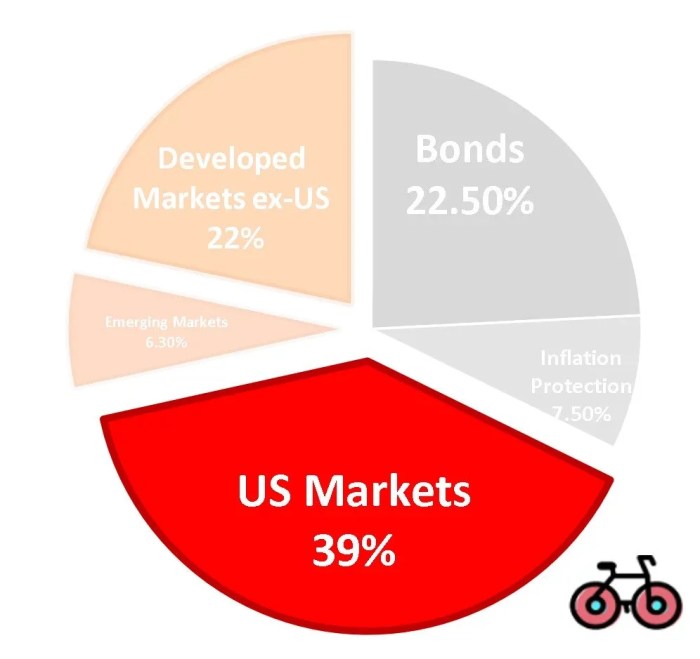
International index funds are investment funds that track the performance of a specific global index, such as the MSCI World or FTSE Global All Cap Index. These funds provide investors with exposure to a diversified portfolio of international securities, including stocks and bonds from various countries.
Diversification in International Index Funds
Diversification in international index funds refers to spreading investments across different regions and industries to reduce risk. By investing in a wide range of international markets, investors can mitigate the impact of market volatility in any single country or sector and potentially enhance returns.
Benefits of Investing in International Index Funds
- Global Exposure: International index funds offer access to a broad range of international markets, allowing investors to participate in the growth of economies worldwide.
- Risk Mitigation: Diversification across countries and industries can help reduce risk and protect investments from the impact of local market fluctuations.
- Portfolio Growth: Investing in international markets can provide opportunities for portfolio growth and potentially higher returns compared to domestic investments.
Comparison with Domestic Index Funds
International index funds differ from domestic index funds in that they focus on global markets rather than a single country. While domestic index funds offer exposure to a specific country’s market, international index funds provide diversification across multiple countries, offering investors a broader investment opportunity.
Income Funds
Income funds are investment funds that primarily focus on generating a steady income stream for investors through dividends, interest payments, and other forms of income. These funds differ from international index funds, which aim to track the performance of a specific index by investing in a diverse range of securities across various countries.
Investment Strategy of Income Funds
Income funds typically invest in a mix of dividend-paying stocks, bonds, and other income-generating securities. The primary goal is to provide investors with a regular income stream while also aiming for capital appreciation over the long term. These funds may also use strategies such as dividend reinvestment and asset allocation to maximize returns for investors.
Types of Securities Held in Income Funds
Income funds may hold a variety of securities, including but not limited to:
- Dividend-paying stocks: Companies that regularly distribute a portion of their earnings to shareholders in the form of dividends.
- Bonds: Fixed-income securities issued by governments or corporations, providing interest payments to investors.
- Real Estate Investment Trusts (REITs): Companies that own, operate, or finance income-generating real estate properties.
- Preferred stocks: Hybrid securities that offer a fixed dividend payment to investors.
Examples of Top-Performing Income Funds
Some examples of top-performing income funds include:
- Vanguard Dividend Growth Fund (VDIGX): A mutual fund that focuses on investing in dividend-paying companies with a history of increasing dividends over time.
- PIMCO Income Fund (PONAX): A bond fund that seeks to generate income by investing in a diversified portfolio of fixed-income securities.
- T. Rowe Price Equity Income Fund (PRFDX): A fund that invests in dividend-paying stocks of large-cap companies with the potential for long-term growth.
Index Funds
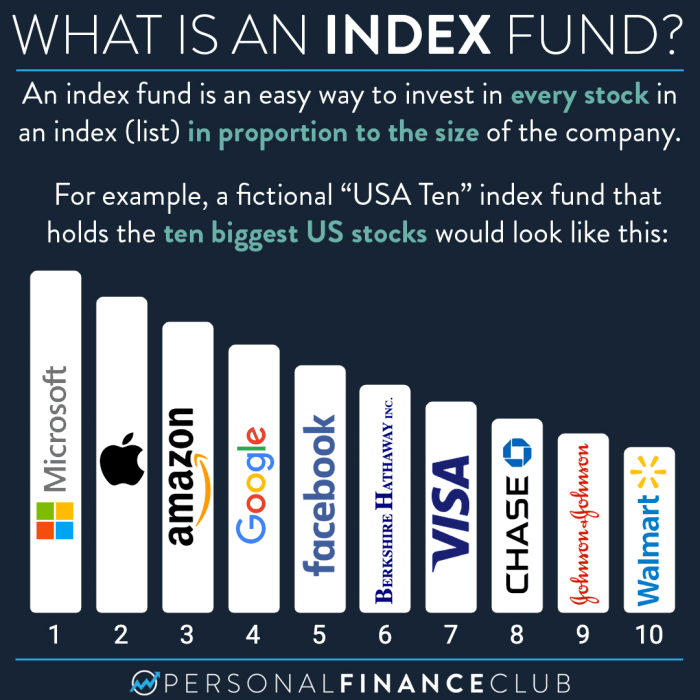
Index funds are a type of mutual fund or exchange-traded fund (ETF) that aims to track a specific market index, such as the S&P 500 or the FTSE 100. These funds are passively managed, meaning they are designed to replicate the performance of the index they are tracking rather than trying to outperform it.
Advantages and Disadvantages of Investing in Index Funds
- Advantages:
- Low fees: Index funds typically have lower expense ratios compared to actively managed funds.
- Diversification: By tracking a broad market index, investors can achieve instant diversification in their portfolio.
- Consistent returns: Index funds aim to match the performance of the index, providing more predictable returns over time.
- Disadvantages:
- No outperformance: Since index funds aim to replicate the index, they will not beat the market.
- No individual stock selection: Investors cannot take advantage of potential high-performing stocks that are not included in the index.
- Market risk: Index funds are subject to market fluctuations and downturns.
Comparison with Actively Managed Funds
Index funds differ from actively managed funds in that they do not rely on fund managers to make investment decisions. Instead, they passively track an index without trying to beat the market. Actively managed funds, on the other hand, involve a fund manager actively buying and selling securities in an attempt to outperform the market. While actively managed funds may have the potential for higher returns, they often come with higher fees and are subject to the risk of underperformance.
Structure and Management of Index Funds
Index funds are structured to mirror the composition of the index they are tracking. This means that the holdings in the fund will closely resemble those of the index in terms of sector allocation and weighting of individual stocks. The fund is managed by adjusting the holdings to match any changes in the index, such as additions or deletions of stocks.
This passive approach to management helps keep costs low and ensures that the fund closely tracks the performance of the index.
Inflation Hedge
International index funds can serve as a hedge against inflation due to their diversification across various countries and industries. Inflation erodes the purchasing power of money over time, but investing in international index funds can help mitigate this risk by spreading investments globally.
Impact of Inflation on Investment Portfolios
Inflation can negatively impact investment portfolios by reducing the real value of returns. Fixed-income investments like bonds may suffer as the interest earned may not keep pace with rising prices. Equities can also be affected as companies may struggle to maintain profit margins in inflationary environments.
Examples of International Index Funds for Inflation Hedge
Vanguard FTSE All-World ex-US ETF (VEU)
This fund provides exposure to global markets excluding the US, offering diversification against inflation risks.
iShares MSCI EAFE ETF (EFA)
This fund tracks developed markets outside of North America, providing a hedge against inflation through international exposure.
Strategies for Using International Index Funds to Hedge Against Inflation
- Diversification: Investing in a mix of international index funds can spread risk and protect against the impact of inflation in specific regions or industries.
- Commodities Exposure: Some international index funds include commodities like gold or real estate investment trusts (REITs) which can act as a hedge against inflation.
- Inflation-Protected Securities: Consider funds that invest in inflation-protected securities like Treasury Inflation-Protected Securities (TIPS) to safeguard against rising prices.
Insurance Premiums
Insurance premiums are a crucial aspect of the insurance industry, representing the amount policyholders pay to maintain coverage. The relationship between international index funds and insurance premiums stems from how insurance companies utilize investment vehicles like index funds to manage premium costs and ensure financial stability.
Role of International Index Funds in Premium Management
Insurance companies often invest a portion of the premiums they collect to generate returns and cover potential claims. By allocating funds to international index funds, insurers can diversify their investment portfolio and potentially achieve higher returns compared to traditional fixed-income investments.
- Index funds offer exposure to a wide range of international securities, providing insurance companies with opportunities to benefit from global market growth and mitigate risks associated with domestic market fluctuations.
- Insurance companies can use index funds as a hedge against inflation, helping to preserve the value of their investment portfolio over time.
Impact on Insurance Industry Trends
The utilization of international index funds by insurance companies can influence industry trends in various ways, shaping strategies and risk management practices.
- Companies that effectively incorporate index funds into their investment strategies may experience improved financial performance and competitive advantages in the market.
- Insurance industry trends may reflect a shift towards greater diversification and globalization of investment portfolios, driven by the appeal of international index funds.
Success Stories in Premium Reduction
Several insurance companies have successfully leveraged index funds to reduce premium costs and enhance overall financial stability.
- Company A diversified its investment portfolio by allocating a portion of premiums to international index funds, resulting in higher returns and lower premium rates for policyholders.
- Company B implemented a strategic asset allocation plan that included index funds, leading to cost savings and improved risk management practices within the organization.
In conclusion, International Index Funds offer a unique avenue for investors to broaden their horizons and capitalize on the benefits of global diversification. With a strategic approach and a keen eye on market trends, these funds can play a crucial role in a well-rounded investment portfolio.
FAQs
What are the key benefits of investing in International Index Funds?
Investing in International Index Funds provides diversification across various markets, exposure to global growth opportunities, and risk mitigation through a broad-based approach.
How do International Index Funds differ from domestic index funds?
International Index Funds focus on global markets and offer exposure to international companies, while domestic index funds are centered on companies within a specific country’s market.
Can International Index Funds act as a hedge against inflation?
Yes, International Index Funds can serve as a hedge against inflation by investing in assets that historically perform well during inflationary periods.
Do insurance companies utilize International Index Funds for managing premiums?
Insurance companies often use investment vehicles like International Index Funds to manage premiums efficiently and optimize their investment strategies.


