Top Index Funds for Beginners sets the stage for this enthralling narrative, offering readers a glimpse into a story that is rich in detail with casual formal language style and brimming with originality from the outset.
Investing in index funds can be a game-changer for beginners looking to grow their wealth steadily and effortlessly. This guide will explore the ins and outs of top index funds, providing valuable insights for those new to the investment world.
Introduction to Top Index Funds
Index funds are a type of mutual fund or exchange-traded fund (ETF) that tracks a specific market index, such as the S&P 500. These funds aim to replicate the performance of the index they are tied to, providing investors with diversified exposure to a wide range of securities.
For beginners, investing in index funds offers several benefits. Firstly, they provide instant diversification, as they hold a basket of stocks or bonds, reducing the risk associated with individual investments. Additionally, index funds typically have lower fees compared to actively managed funds, making them a cost-effective option for those starting out in investing.
Why Index Funds are a Popular Choice for Passive Investing
Index funds have gained popularity among investors, especially for those looking to take a passive approach to investing. Here are some reasons why index funds are a preferred choice for passive investors:
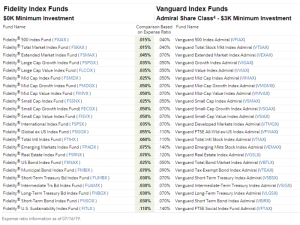
- Low Cost: Index funds generally have lower expense ratios compared to actively managed funds, allowing investors to keep more of their returns.
- Diversification: By investing in a single index fund, investors gain exposure to a diversified portfolio of assets, reducing the impact of individual stock performance on their overall investment.
- Consistent Performance: Index funds aim to replicate the performance of a specific market index, providing investors with a predictable return based on the index’s performance.
- Simple to Understand: Index funds are straightforward investment vehicles that track a specific index, making them easy to understand for novice investors.
Income Funds vs. Index Funds
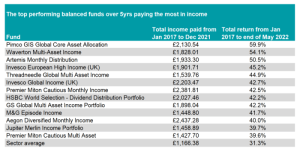
Income funds and index funds are two popular types of mutual funds that cater to different investment objectives. Income funds focus on generating regular income for investors through dividends and interest payments, while index funds aim to replicate the performance of a specific market index.
Income Funds
Income funds are designed to provide investors with a steady stream of income through dividends and interest payments. These funds typically invest in dividend-paying stocks, bonds, and other income-generating securities. Examples of income funds include Vanguard High Dividend Yield Index Fund and Fidelity Strategic Income Fund.
- Income funds are more suitable for investors looking for regular income streams.
- These funds are ideal for retirees or individuals seeking to supplement their income.
- Income funds may have higher fees compared to index funds due to active management.
Index Funds
Index funds, on the other hand, aim to replicate the performance of a specific market index, such as the S&P 500. These funds invest in the same securities that make up the index in order to mirror its returns. Examples of index funds include Vanguard Total Stock Market Index Fund and SPDR S&P 500 ETF.
- Index funds are more suitable for beginners due to their low fees and passive management style.
- These funds offer broad market exposure and are a popular choice for long-term investors.
- Index funds are known for their simplicity and low turnover, making them a cost-effective investment option.
Inflation Hedge with Index Funds
Index funds can serve as a valuable hedge against inflation due to their diversified nature and low costs. As inflation erodes the purchasing power of money over time, investing in index funds can help maintain the real value of your investments by providing exposure to a wide range of securities that can potentially outpace inflation.
Examples of Index Funds for Inflationary Periods
When selecting index funds for beginners, it is important to consider those that have historically performed well during inflationary periods. Some examples of index funds that have shown resilience in the face of inflation include:
- Vanguard Inflation-Protected Securities Fund (VIPSX): This fund invests in Treasury Inflation-Protected Securities (TIPS), which are designed to provide protection against inflation.
- iShares TIPS Bond ETF (TIP): Another option for investors looking to hedge against inflation, this ETF also focuses on Treasury Inflation-Protected Securities.
- Schwab U.S. TIPS ETF (SCHP): This ETF offers exposure to TIPS issued by the U.S. government, providing a potential hedge against inflation.
Importance of Considering Inflation in Index Fund Selection
When selecting index funds for beginners, it is crucial to take into account the impact of inflation on their investments. By choosing index funds that have historically performed well during inflationary periods, investors can better protect their portfolios from the erosion of purchasing power. Additionally, considering inflation can help beginners build a diversified portfolio that can weather economic uncertainties and preserve the real value of their investments over the long term.
Insurance Premiums and Index Funds
Investing in index funds can have a direct impact on insurance premiums for individuals. Let’s explore how index funds can help manage insurance costs effectively.
The Relationship Between Insurance Premiums and Index Funds
Insurance premiums are the amount of money an individual pays to an insurance company in exchange for coverage. Factors such as age, health, and lifestyle can influence the cost of insurance premiums. By investing in index funds, individuals can potentially grow their wealth over time, which can help offset the financial burden of insurance premiums.
Utilizing Index Funds to Offset Insurance Costs
One effective strategy to manage insurance premiums through index funds is to set aside a portion of your investment earnings specifically for insurance payments. By consistently contributing to your index fund and allowing it to grow, you can create a source of funds to cover insurance costs without impacting your regular income.
Diversification and Risk Management
Index funds offer diversification by investing in a wide range of assets, reducing the risk of substantial losses in the event of market downturns. This can provide a stable source of income to help individuals cover insurance premiums without relying solely on their primary income.
Long-Term Growth Potential
Investing in index funds for the long term can help individuals accumulate wealth that can be used to cover insurance premiums as they age. By consistently contributing to index funds and reinvesting dividends, individuals can build a financial cushion to offset the rising costs of insurance as they grow older.
In conclusion, delving into the realm of index funds can be a wise move for beginners seeking long-term financial growth with minimal effort. By understanding the nuances of top index funds, individuals can pave the way for a more secure financial future.
FAQ Section
What are index funds?
Index funds are a type of mutual fund or exchange-traded fund that aims to replicate the performance of a specific market index. They offer diversification and low costs, making them an attractive option for beginners.
How do index funds differ from income funds?
Income funds focus on generating regular income through dividends and interest payments, while index funds aim to track a market index’s performance. For beginners, index funds are often recommended due to their simplicity and broad market exposure.
Can index funds act as a hedge against inflation?
Yes, index funds can serve as a hedge against inflation as they typically include a variety of stocks that can adjust to inflationary pressures. By investing in index funds, beginners can protect their portfolios from the erosive effects of inflation.